Kidney Failure in Dogs and Cats
Damage to the kidneys that builds up over years is called chronic kidney disease — also referred to as chronic renal failure, renal insufficiency, or kidney insufficiency.
It develops when there isn't enough working kidney tissue left to maintain normal function. By the time symptoms appear, roughly 75% of function has already been lost. Causes of this slow decline include blood pressure changes, dental disease, ingesting toxins, and general aging.
Signs you may notice first
- Loss of appetite
- Low energy
- Vomiting
- Diarrhea
- Bad breath
Longer-term effects
- Decreased appetite — pets often become picky eaters
- Muscle loss, leading to a thin appearance and difficulty walking
Staging tells us where we stand
Further diagnostic testing lets us determine what stage of kidney function remains. Knowing the stage is what allows us to slow progression, control symptoms, and maintain a good quality of life — rather than simply reacting as things change.
Kidneys Do More Than Make Urine
Understanding what the kidneys actually do explains why treatment involves so many different pieces. They:
Clear toxins from the body
Manage hydration and the pH balance of the blood
Maintain protein levels and balance minerals
Regulate blood pressure
Stimulate red blood cell production
Treatment and Therapy
Because kidney function is already reduced, it's important to start therapy right away so we can help the kidneys do the jobs they're struggling with.
Immediate treatment
Full panel blood work, blood pressure assessment, and a urine protein:creatinine ratio check. Depending on how your pet is doing, this may include hospitalization, IV fluids, and assisted feeding to get them back to a more normal life at home.
Ongoing follow-up (lifelong)
Repeat blood work every three to six months, depending on how your pet is doing at home.
Come in sooner if you notice low appetite, low energy, or a marked increase in drinking — don't wait for the next scheduled recheck.
Therapies, Matched to Each Function
Clearing toxins
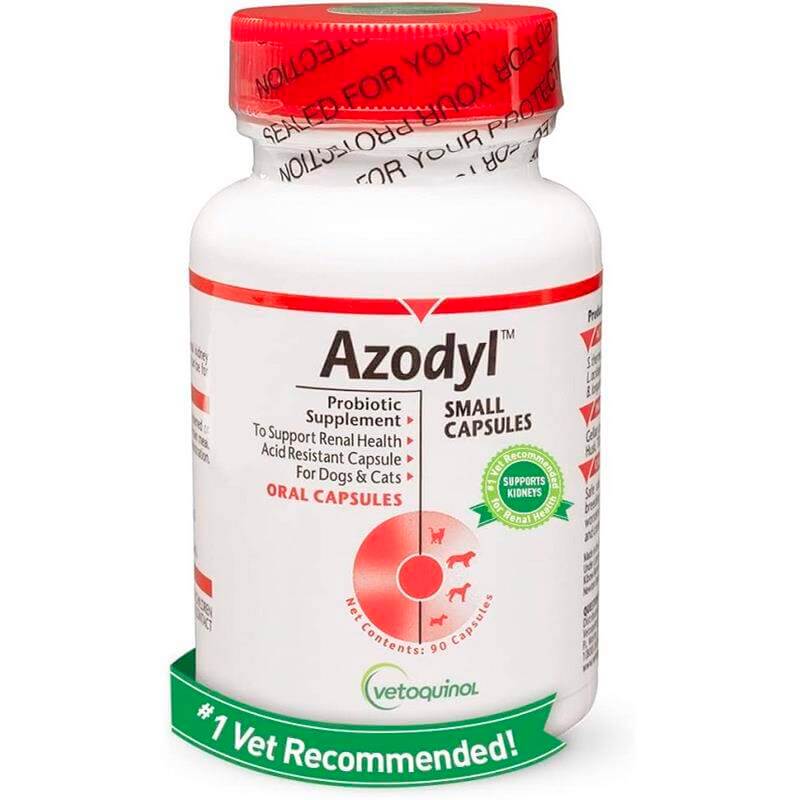
Azodyl by Vetoquinol
A blend of probiotics and fiber containing beneficial bacteria that help reduce nitrogen levels in the blood.
Hydration and pH balance
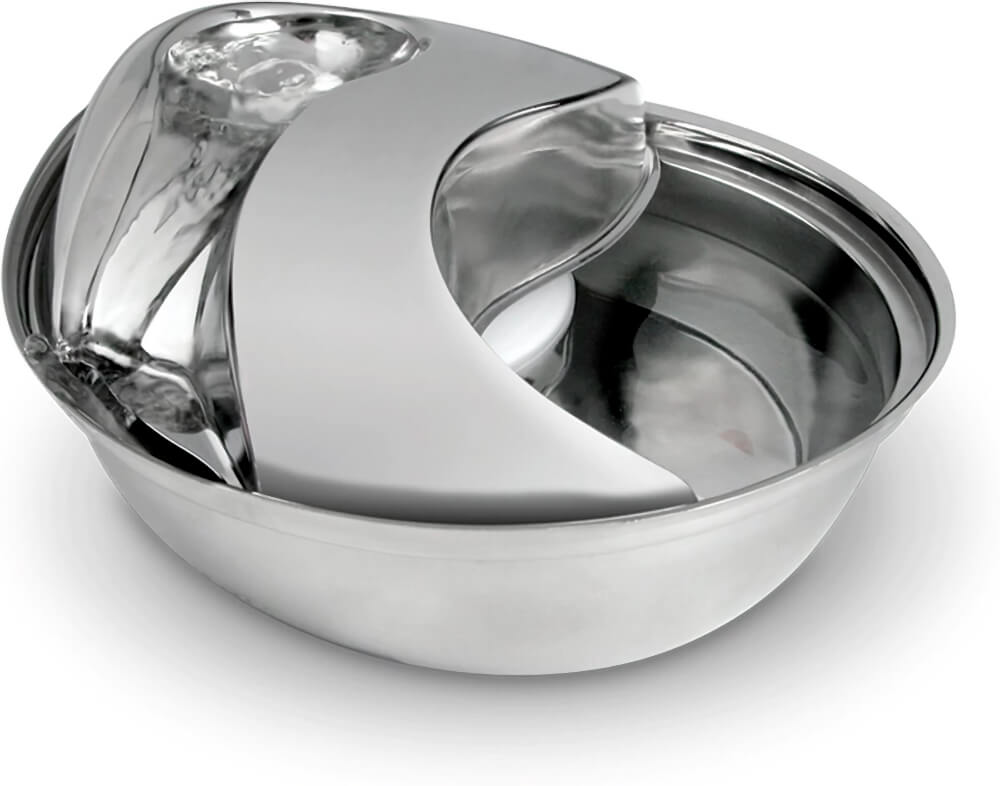
Getting more water in
- Feed wet food only, and add extra water to it
- A running water fountain encourages most pets to drink considerably more
- Subcutaneous fluids, typically once or twice weekly based on need — available for pick-up and refill at our clinic
Proper diet
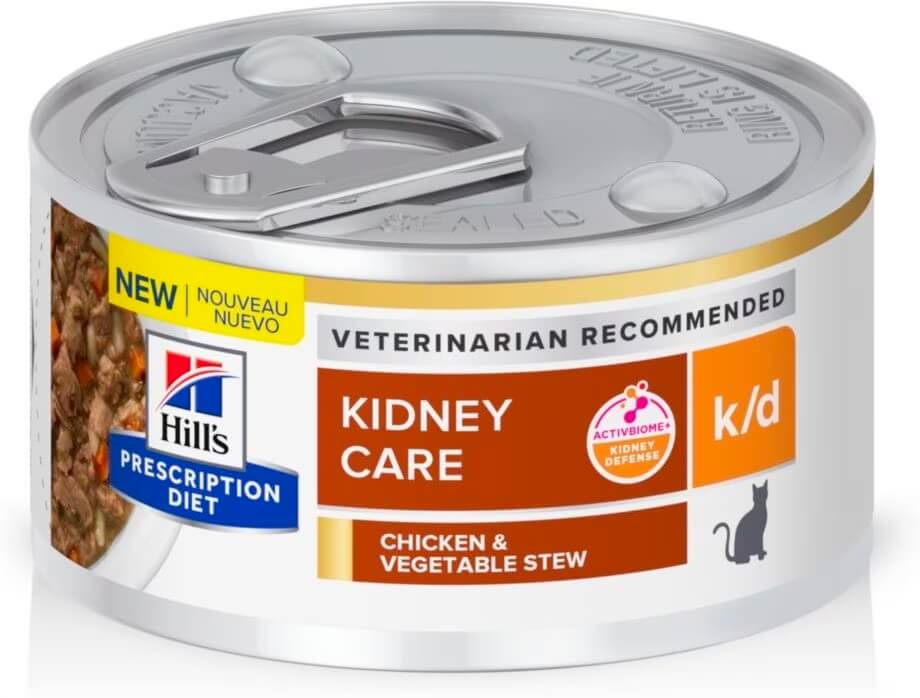
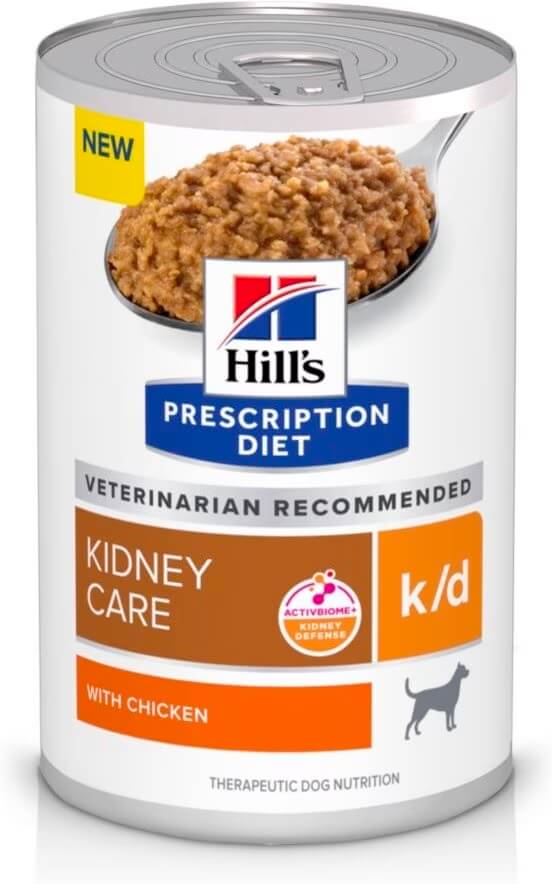
Prescription kidney diet
A balanced prescription diet helps slow progression, stimulate appetite, and increase calorie intake. We recommend Hill's Prescription Diet k/d Kidney Care wet food, available for both cats and dogs with a prescription.
Blood pressure and anemia
Medications
Enalapril is an ACE inhibitor that relaxes and widens the blood vessels, lowering blood pressure and making it easier for the heart to pump blood around the body.
For anemia, which is common in advanced kidney disease, erythropoietin (EPO) can be used to stimulate red blood cell production. Both require prescription and monitoring.
Supportive Supplements

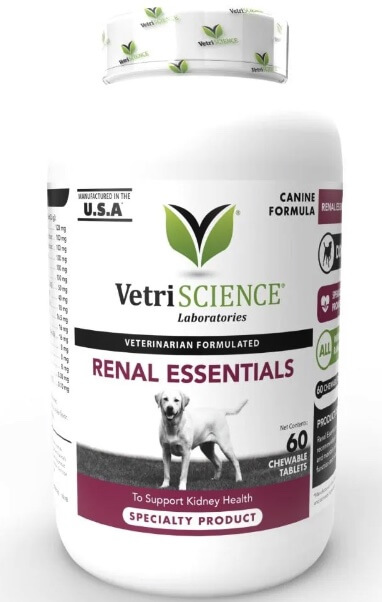
Renal Essentials by VetriScience
Formulated to support normal kidney function, renal circulation, antioxidant defenses, and normal fluid balance. Available in separate canine and feline formulas.

Bladder Support by Bark & Whiskers
Contains cranberry and d-mannose, intended to support healthy kidney, bladder, and overall urinary function.
Available with a prescription
Cerenia — the first FDA-approved veterinary medication to control nausea in dogs and cats, and to prevent vomiting from motion sickness in dogs. Nausea is one of the main reasons pets with kidney disease stop eating.
Entyce — an FDA-approved appetite stimulant for dogs, used to address longer-term health challenges through improved nutrition.
Drinking more than usual?
Increased thirst is often the earliest sign, and kidney disease is far more manageable when caught early. A blood and urine panel is straightforward.